


SEO effectiveness is often measured by rankings and traffic. However, those metrics tell only part of the story. SEO agency reporting beyond rankings requires a deeper analysis of user behavior and performance impact. User engagement signals provide deeper insight into how visitors interact with a website. These signals reflect whether content meets expectations and delivers value. Search engines analyze engagement patterns to assess relevance and quality. Understanding these signals helps businesses refine strategy and improve performance over time.
User Engagement Signals

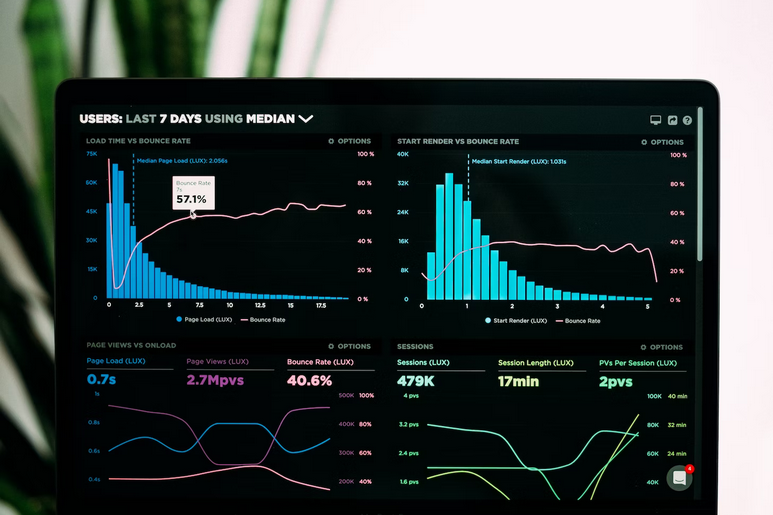
User engagement signals refer to measurable behaviors. These include bounce rate, time on page, pages per session, and click-through rate. Each metric reveals how users respond after landing on a site. Strong engagement suggests alignment between search intent and content. Weak engagement indicates gaps that require attention.
Bounce Rate and Content Relevance
Bounce rate measures the percentage of visitors who leave after viewing one page. A high bounce rate may signal misaligned keywords or unclear messaging. However, context matters. Some pages answer questions quickly, leading to short visits but satisfied users. Evaluating bounce rate alongside other metrics provides clearer insight.
Click-Through Rate From Search Results
Click-through rate measures how often users choose a result in search listings. A strong title and meta description improve CTR. When users click frequently on a listing, it indicates perceived relevance. Higher CTR may influence visibility over time. Crafting clear and accurate snippets helps attract qualified traffic.
Time on Page and Depth of Interest

Time on page reflects how long visitors remain engaged. Longer sessions often indicate content depth and clarity. When users stay longer, they are likely reading or interacting with material. This behavior suggests the page meets expectations. Search engines interpret consistent engagement as a positive relevance signal.
Pages Per Session and Internal Linking
Pages per session reveal how many pages users visit during one session. Higher numbers suggest effective internal linking and logical site structure. When visitors explore multiple pages, it signals sustained interest. This behavior strengthens authority and indicates a cohesive content strategy.
Scroll Depth and Interaction Signals
Scroll depth measures how far users move through a page. High scroll percentages show that visitors consume most of the content. Interaction signals, such as video plays or downloads, add further insight. These actions reflect deeper engagement. Structured layouts encourage complete reading and stronger interaction.
Aligned Content With User Expectations

User engagement improves when content aligns with search intent. Headlines should reflect keywords clearly. Sections must answer questions directly. Visual elements support clarity. Consistency between promise and delivery builds trust. When expectations are met, engagement metrics naturally improve.
Continuous Optimization Based on Data
Monitoring engagement signals supports ongoing improvement. Identifying patterns reveals which pages perform well. Underperforming pages may require an updated structure or refined messaging. Testing different formats can improve interaction. Consistent evaluation ensures steady refinement and stronger results.
User engagement signals reflect SEO effectiveness by revealing how visitors respond to content. Metrics such as bounce rate, time on page, and click-through rate provide actionable insight. Strong engagement indicates alignment between intent and value. Ongoing analysis and adjustment ensure sustained growth. With utmost focus on relevance and clarity, businesses can use engagement data to strengthen SEO performance and long-term visibility.





 The headline is the first thing that makes lasting impressions about your landing page. It’s your chance to grab attention in an instant, so make it count. Start by using simple language that resonates with your audience, no need for jargon or complex phrases that could confuse visitors. Incorporate strong action words to create a sense of urgency or excitement.
 When crafting a landing page, you need to shift the focus from features to benefits. Features describe what your product or service does, while benefits explain how it solves a problem for the user. Think about your audience’s pain points. How can your offering make their lives easier? This perspective helps create an emotional connection.


 Beyond technical expertise, web development agencies offer strategic guidance that aligns with your marketing objectives. They work closely with you to understand your brand, target audience, and business goals, providing insights and recommendations that shape your website’s design and functionality. This collaborative approach ensures that your website looks great and serves as a powerful tool for achieving …



 First stop on our innovation journey: emerging technologies. From artificial intelligence and machine learning to virtual reality and augmented reality, there’s no shortage of exciting new tech trends shaping the future of digital marketing. Marketers are harnessing the power of AI to personalize content, optimize ad campaigns, and analyze data in real time.
 Last but not least, let’s talk about the power of influencer







 Aside from that, choosing the right fonts can make a world of difference. Fonts play a crucial role in capturing viewers’ attention and conveying the message of your video at first glance. To create a compelling thumbnail, select fonts that align with your video’s content and overall branding. If you’re sharing an informative or educational video, opt for clean and professional fonts that exude credibility.
 Highlighting the focal point of your video in a way that grabs viewers’ attention and entices them to click will surely make your thumbnail captivating. Using framing or cropping techniques can work wonders in drawing focus directly to the subject. By zooming in on the main element or using close-up shots, you can immediately engage viewers and make them curious about what your video has to offer.

 When it comes to using hashtags on social media, less is often more. While adding a few relevant hashtags can help increase visibility and engagement, overusing them can have the opposite effect. Overloading your post with too many hashtags can make it look cluttered and spammy. This may deter followers from engaging with your content and could even lead to unfollows.

 Meanwhile, the engagement rate measures the level of interaction between your audience and your content. A higher engagement rate means your followers are more engaged in what you’ve got to offer, leading to increased brand awareness, loyalty, and sales. The key to a better engagement rate is to learn about their needs, interests, and pain points. Use this information to create videos that provide value or entertainment while aligning with their preferences.





 Your ability to adapt and adjust to customers’ changing needs can easily make or break your success. As time goes by, your customers will evolve, and so should your strategies.
 In today’s digital age, customer experience management is incomplete without considering the digital aspect. With more and more customers interacting with brands online, it becomes crucial to keep improving the digital customer experience.
 When it comes to content marketing, quality is key. Take your time to craft impactful messages that will engage and interest your followers. Try using visuals such as pictures or videos to make your posts more attractive. You can use social media tools like Hootsuite or Buffer to schedule posts ahead of time, allowing you to post consistently throughout the day.
 If you want to grow your social media presence quickly, paid advertising can be a great tool. With the help of this strategy, you can reach many people in no time and get more eyes on your posts. You can also use targeting options to tailor your ads to the right audience, ensuring the right people see them.



 Finally, it is crucial to analyze your email campaigns to determine which strategies are working and which need improvement. Tracking metrics such as conversion, click-through, and open rates will give you valuable insights into how your emails are performing and where you can improve. By analyzing your campaigns regularly, you can continually refine your strategies and increase sales.
 Your brand needs to be consistent in message, tone, and look. When people come across your product, they should recognize it immediately due to the consistent style used. This consistency will help you create a strong impression and build trust with customers. What should be the same across all your branding efforts include logo, color palette, font style, and slogan. On top of this, consistency also means that every product, campaign, and business model you work on should share the same value and mission. This is how your brand can resonate with customers better.
 Having a good reputation is key for any
 The first element of a great SEO strategy is to make sure your website has relevant and accurate meta tags. Meta tags are snippets of code that identify specific pieces of information about the page, such as title, description, keywords, etc. An effective meta tag strategy ensures that search engines understand your page and can better rank it in SERPs (search engine results pages). Take the time to craft meta tags carefully, and you’ll see better results. Many make the mistake of thinking that they don’t need to use meta tags, and they throw them in without any thought.
 The third element of a great SEO strategy is content marketing. Content is an effective way to attract and retain visitors and build trust with your target audience. This can include creating blog posts, reports, infographics, videos, or any content that provides value to your readers. By producing high-quality content that’s optimized for search engines, you can gain more visibility and boost your rankings in SERPs. However, some make the mistake of focusing on quantity rather than the quality of their content. Quality always trumps quantity when it comes to SEO.
 One of the most popular types of social media marketing is photo ads. Photo ads are images you post on social media, usually accompanied by a caption. These images can be anything from product photos to promotional content. They are typically used to draw attention to your brand and help engage with customers.
 Finally, influencer marketing is a popular form of social media marketing. With influencer marketing, you work with an individual or group of people with a large social media following. It can increase your brand’s visibility and reach and build relationships with customers. Influencers can also be great for driving traffic to your website or other social media pages.
 Personalization is key when it comes to email marketing. You need to ensure that your emails sound like they’re coming from a real person, not just some faceless corporation. One way to do this is to use the recipient’s name in the subject line and throughout the email copy. This will give your emails a more personal feel and make them more likely to be read and responded to. In contrast, generic and impersonal emails are more likely to be ignored.
 If you’re not seeing the results you want from your email marketing campaigns, it could be because you’re not using them as part of a comprehensive top-of-funnel growth strategy. In other words, you’re not using them to attract new leads and subscribers. Email marketing should be just one part of your larger inbound marketing efforts. By using it in conjunction with other channels like content marketing and social media, you can attract more people to your website and eventually convert them into customers or clients.
 A mobile-friendly website is a website that is easy to use and navigate on a mobile device. This type of website typically has a responsive design, which means it can adjust to any screen size. Mobile-friendly websites are important because they provide a positive ranking signal in mobile search. This means that if your website is mobile-friendly, it is more likely to appear in the search results when someone searches for something on their mobile device.
 It is no secret that mobile devices are taking over the world. As more people access the internet via smartphones and tablets, you risk losing out on a lot of potential visitors if your website is not mobile-friendly. A mobile-friendly website provides an improved user experience for those visiting your site from a mobile device, which means they are more likely to stay on your site and interact with your content.
 SEO is an essential tool for any business that wants to survive in today’s market. Here are three reasons why your automotive business needs SEO:
 When it comes to getting your message across, videos are more engaging than text. In a study by MarketingSherpa, it was found that viewers are twice as likely to engage with a video than with text-based content. This is because videos stimulate the brain in a way that text cannot, making them more likely to hold a viewer’s attention.
 When you’re trying to sell something, trust is essential. Fortunately, video is a great way to build trust with your target market. In fact, according to a study by Animoto, four times as many consumers say that videos give them confidence about a product or service than any other type of marketing material.
 If you’re looking to boost sales, video is a great tool. In fact, according to a study by Aberdeen Group, businesses that use video marketing see a 49% increase in annual revenue. It is likely because the video is such an effective way to build trust and engage with your target market. Plus, video can be a great way to showcase your products or services in action. This can help to increase the likelihood that viewers will make a purchase.
 Have you ever wondered why your website isn’t getting as much traffic as you want it to? These days, more and more people are using their smartphones and tablets to search the internet. If your website isn’t optimized for mobile devices, you could miss out on a lot of potential traffic. During your SEO audit, check how your website looks on mobile devices. If it’s challenging to use or doesn’t look good, you need to make some changes.
 We all know that backlinks are essential for SEO. However, many businesses make the mistake of not checking their backlink data during their SEO audit. It is another massive mistake not to make. Backlink data can tell you much about your website’s health and link popularity. Make sure to check your backlink data during your SEO audit so you can identify any potential issues. In fact, it is one of the most critical aspects of your entire SEO audit.